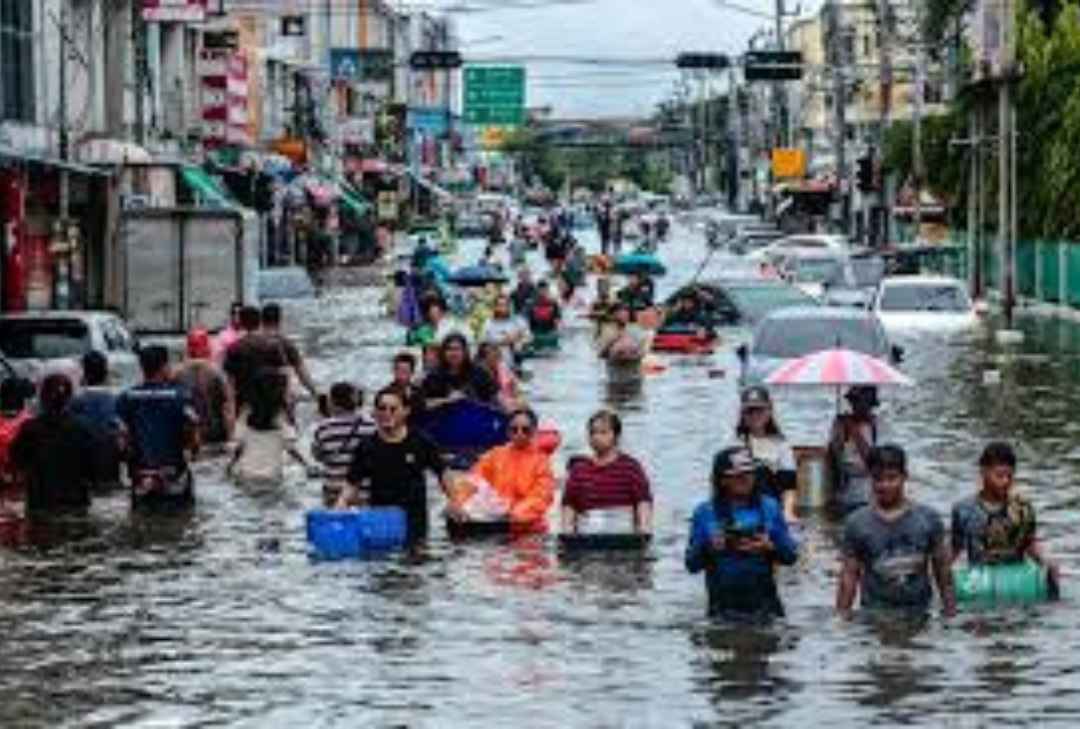
Bangkok Floods Force Thousands Into Shelters as Damage Mounts
Severe flooding has forced thousands of people into shelters in Bangkok after heavy rain overwhelmed parts of Thailand’s capital. Residents waded through deep water on
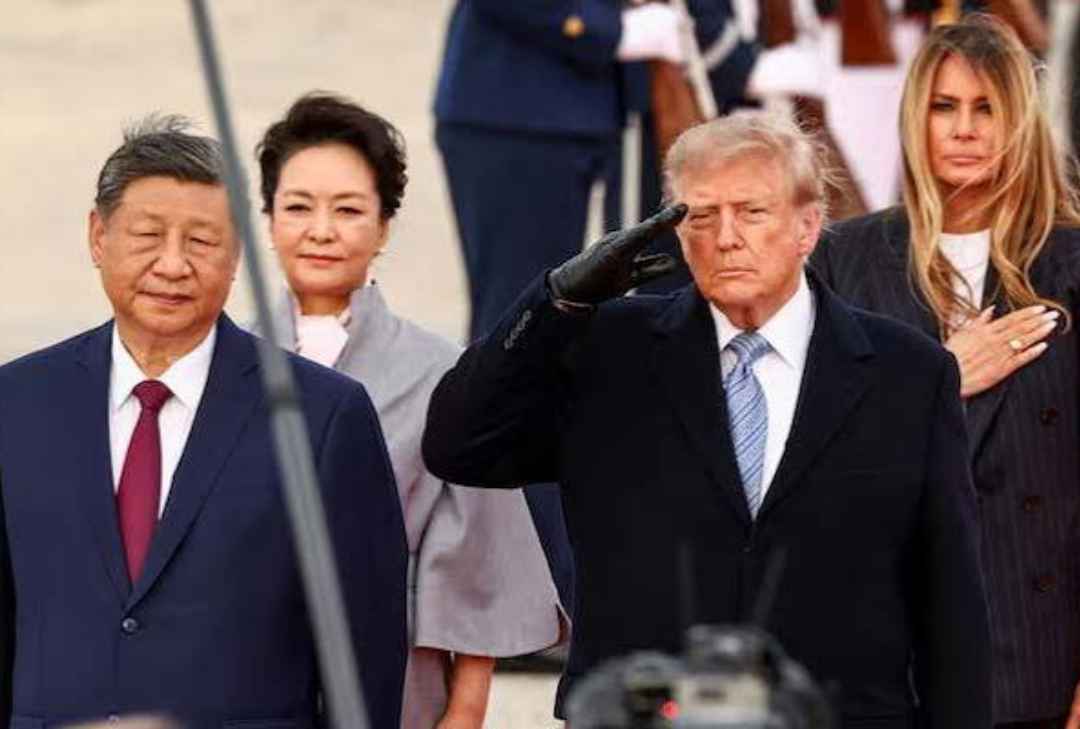
Measles Cases Surge Again Despite Vaccination Drives
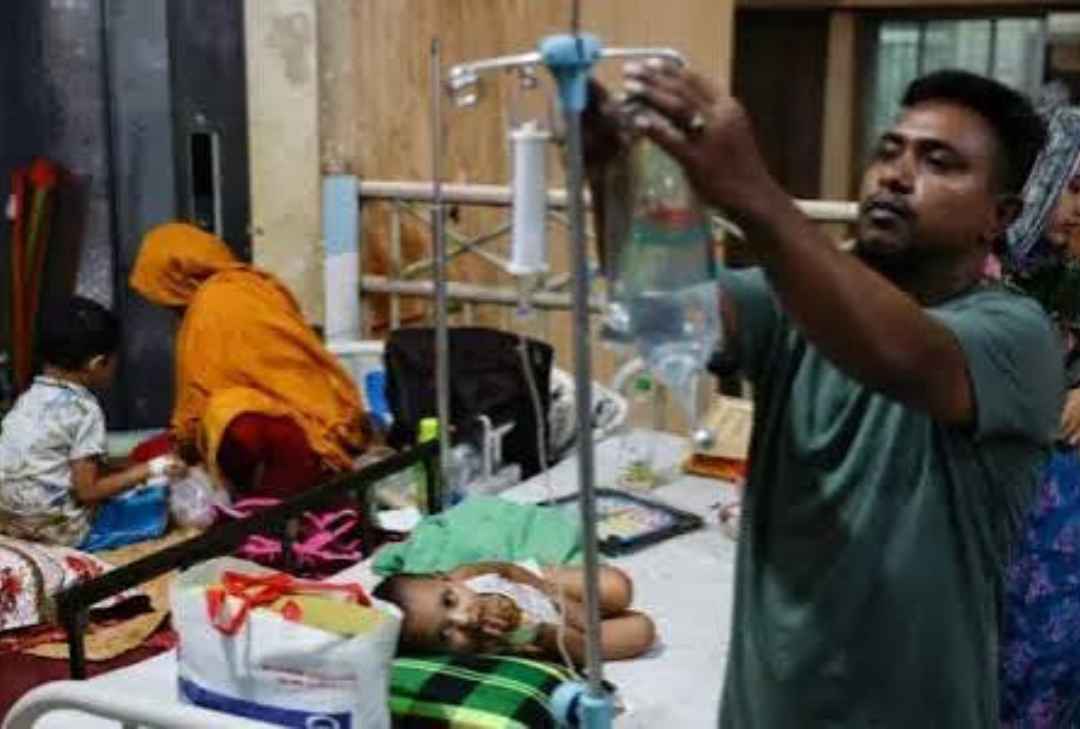
Bangladesh is facing a renewed rise in measles cases and hospital admissions, according to health figures reported on Monday. In the first 26 days of


A COMMUNITY UNITED FOR HOPE
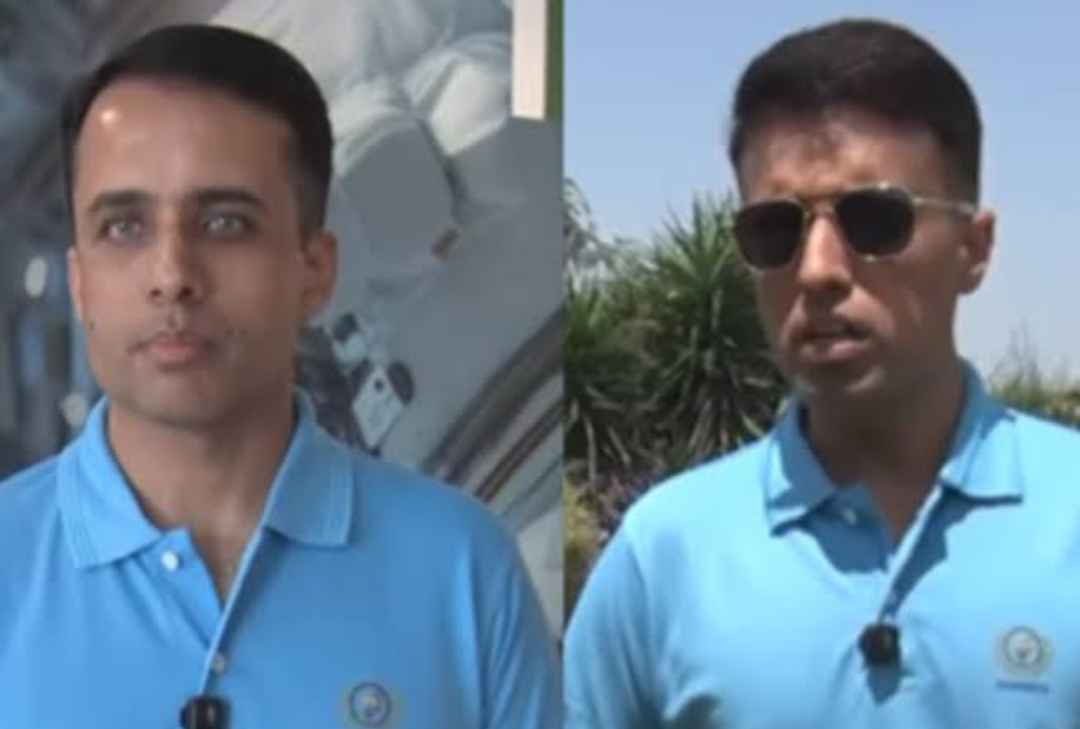
Arwa Coffee House hosted a remarkable evening of generosity on September 20 in support of the Human Necessity Foundation’s Junaid Jamshed Hospital project. Pakistani actor

More Than 70 Held as Karachi Call Centres Face US Fraud Investigation
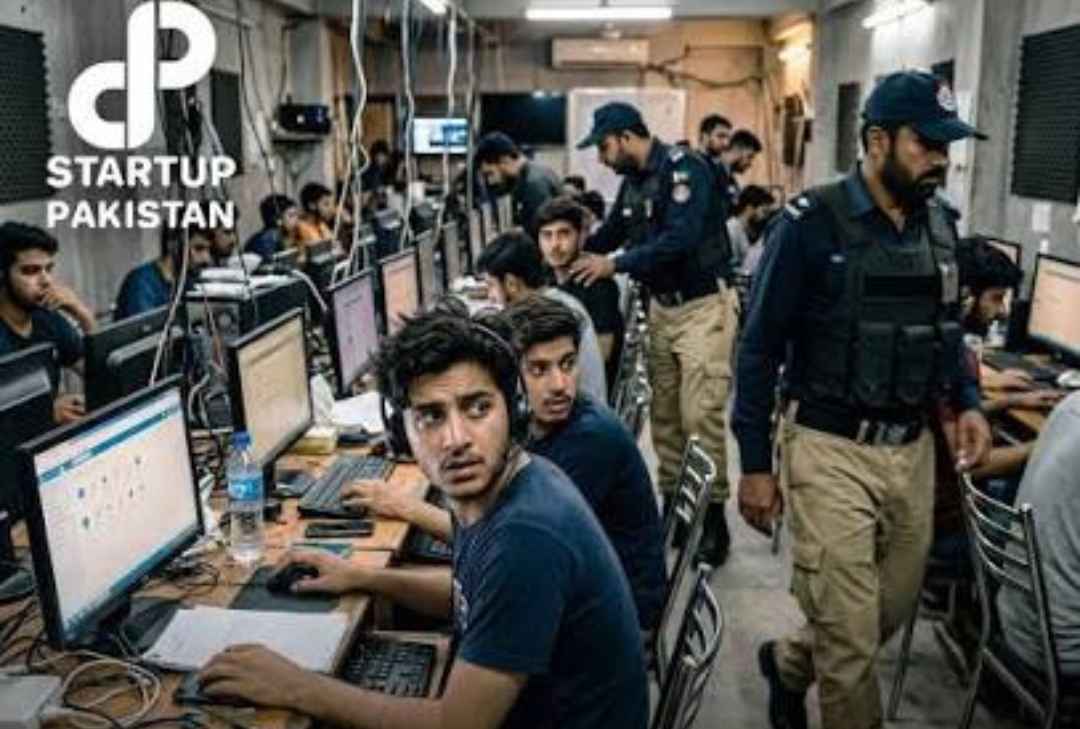
Pakistan’s National Cyber Crime Investigation Agency (NCCIA) says it has arrested more than 70 people following raids on two call centres in Karachi’s PECHS area. Investigators allege the centres targeted people in the United States with offers involving new credit cards and low-interest financial services. According to the agency, the two premises were run by one organisation. It registered two cases naming a total of 79 people. The allegations remain under investigation; the arrests do



Sidharth Malhotra’s The Vvaan Earns Over ₹33 Crore in Opening Weekend
Sidharth Malhotra’s film The Vvaan: Force of the Forrest collected an estimated ₹33.25 crore net in India during its first three days, giving the actor his biggest domestic opening weekend in 11 years. The figures, reported on Monday, show the film gaining momentum across the weekend despite mixed critical reaction. The film opened with ₹8 crore on Friday, earned ₹11.25 crore on Saturday and rose to ₹14 crore on Sunday, according to figures cited by



Rain Sends Pakistan Into Asian Games Cricket Semi-Finals Without a Ball Bowled
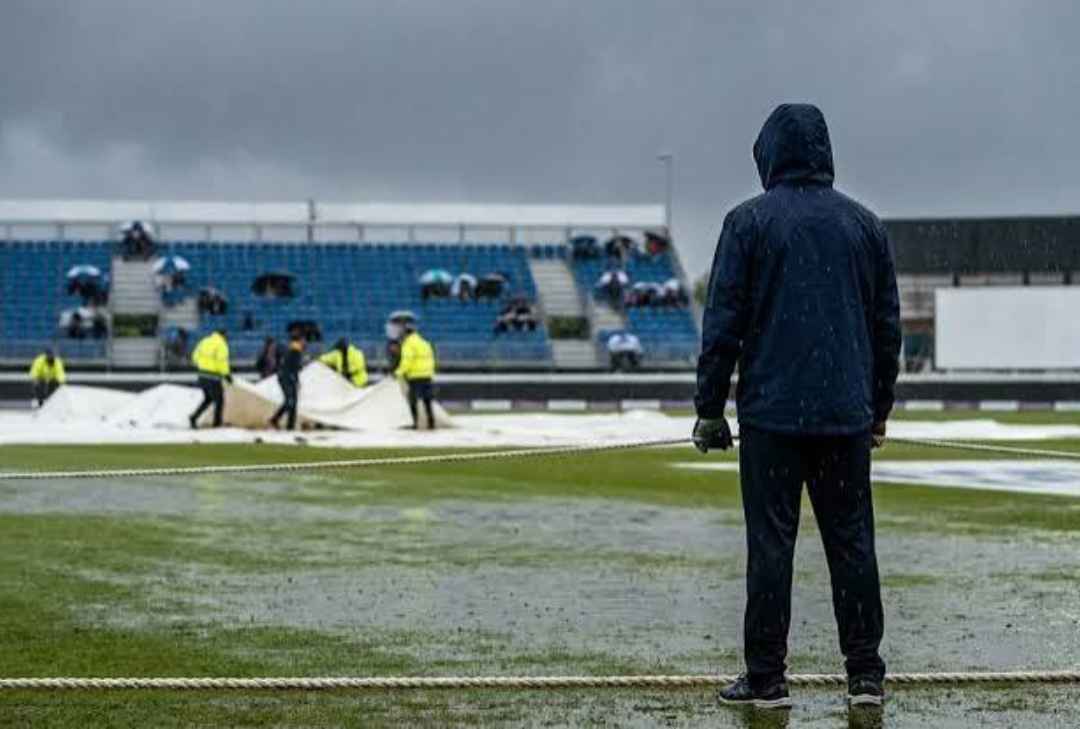
Pakistan advanced to the Asian Games men’s cricket semi-finals on Monday after persistent rain washed out their quarter-final against Hong Kong in Japan. The match at Korogi Sports Park was abandoned without a ball being bowled, and Pakistan progressed under tournament rules because of their higher ICC Twenty20 International ranking. Officials called off the match at the time of the toss. Large parts of the ground remained covered after heavy showers, leaving no realistic opportunity